

THE POTTER AND THE CLAY
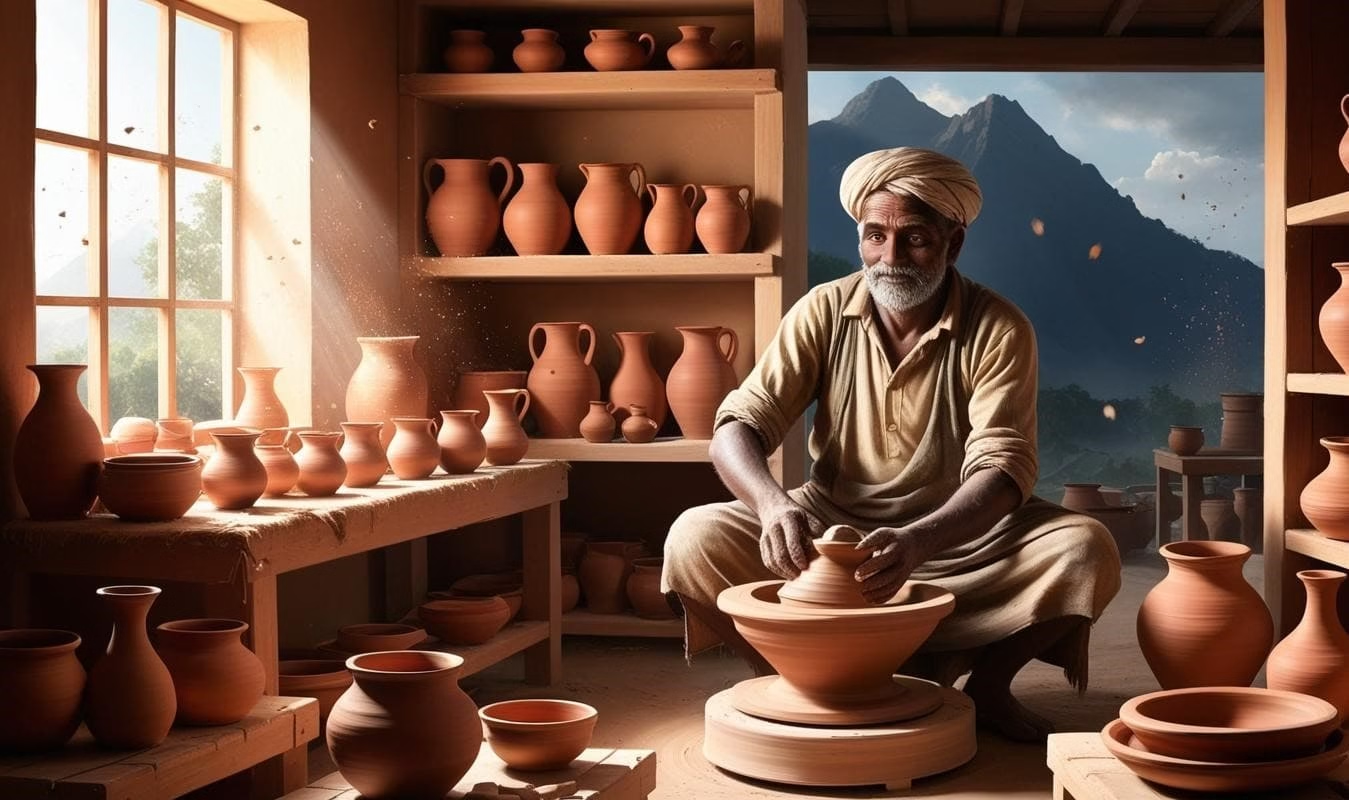
In a small village nestled at the foot of a great mountain lived a skilled potter named Rajan. His workshop was simple, yet it was filled with the most beautiful pots, vases, and bowls one could imagine. The walls of his workshop were adorned with his finest creations—each one a testament to his craftsmanship, patience, and artistry. But what most people didn’t know was that Rajan’s creations had humble beginnings. His work started with small, unassuming pieces of clay.
Rajan had been a potter for many years. Every morning, before the sun rose, he would make his way to the clay pits near the riverbank. There, he would gather fresh clay, which, to the untrained eye, looked like nothing more than a pile of mud. The clay was rough, uneven, and lacked any form. It was just a simple material, dirty and raw, with no inherent beauty. But Rajan knew that this was where his journey began.
Rajan would bring the clay back to his workshop, where he would carefully knead and prepare it. He would spend hours working the clay, smoothing out any imperfections and shaping it into small, manageable pieces. The clay, though not much to look at in its raw form, had great potential. Rajan saw in each piece the possibility for something extraordinary.
With his skilled hands, Rajan began his work. Day after day, he would sit at his wheel, turning the clay with a rhythmic motion, adding pressure and carefully moulding it into shape. The clay was unyielding at first, difficult to work with, but Rajan was patient. He knew that the more he worked the clay, the more malleable it would become.
As the days passed, the pieces of clay began to take on shape and form. Rajan would slowly add details, shaping the edges into smooth curves, and carving delicate patterns into the surfaces. With each stroke, the raw clay transformed, becoming something more refined, more beautiful. The work was slow, and there were times when Rajan felt frustrated. Sometimes the clay would crack or collapse, and he would have to start over. But Rajan never lost hope. He believed in the process, and he understood that every mistake was a step toward mastery.
After weeks of steady work, the first few pots began to emerge from Rajan’s hands. They were simple at first, but with each passing day, his skill grew. The pots became more elegant, the vases more intricate, and the bowls more finely detailed. Each piece of clay, which had once seemed like little more than dirt, was now a work of art, carefully crafted and full of life.
Rajan’s pots began to catch the eye of the villagers. They marvelled at the beauty and craftsmanship of the pieces. The once humble clay now had a purpose and value, a tangible expression of Rajan’s hard work and dedication. Over time, his pottery became famous, not just in the village, but in surrounding towns. People would travel far and wide to buy his creations, each one a symbol of patience, skill, and perseverance.
One day, as Rajan was working on a particularly delicate vase, a young boy came to visit him in his workshop. The boy had been watching Rajan for days and had become curious about how he worked. He asked, “Master Rajan, how do you take such simple clay and turn it into something so beautiful?”
Rajan smiled gently and looked at the boy. “You see, young one,” he began, “this clay may seem like nothing at first, but with steady hands and a patient heart, it transforms. The clay has no form of its own, but through my touch and care, it becomes something more. Just like this clay, the smallest efforts, when shaped with patience, can create something extraordinary.”
The boy, with wide eyes, nodded in understanding, realizing that it wasn’t just the clay that was being shaped, but also the potter’s heart. Rajan had poured his dedication, skill, and love into each piece, making the transformation possible.
As Rajan continued to mold the clay, he reflected on the process. Every piece of clay, no matter how small or unremarkable, had a purpose. It took time, care, and steady effort to bring out its true potential. But when shaped with skill, consistency, and a keen eye, even the simplest of materials could become something beautiful and valuable.
Moral:
Small, dedicated work leads to excellence, and even the smallest materials can be transformed into something great.
குயவன் மற்றும் களிமண்
ஒரு சிறிய கிராமத்தில், ராஜன் என்ற சிறந்த மண் கலைஞன் வாழ்ந்தான். அவனுடைய மட்பாண்டப் பட்டறையில் அழகான மண் பானை, கூடை, மற்றும் பாத்திரங்கள் இருந்தன.
ராஜன் மண் கலைஞனாக பல ஆண்டுகள் பணியாற்றி வருகிறான். ஒவ்வொரு நாளும், சூரியன் எழுந்து முன்னரே ஆற்றின் கரையிலிருந்து மணல் எடுத்துக் கொண்டு வந்து, அதை கலை வடிவத்திற்கு மாறுமாறு வேலை செய்தான்.
முதலில், களிமண் என்பது எதுவும் இல்லாமல், வெறும் மண் போல இருந்தது. ஆனால் ராஜன் அதை மெதுவாக வேலை செய்து, அழகாக வடிவமைத்தான். அவன் பொறுமையாக வேலை செய்து, களிமண்யின் மிகச் சிறிய வழு கூட திருத்தி, அழகான கலைப்பொருட்களை உருவாக்கினான்.
ஒவ்வொரு நாளும், அவன் புதிய வகையில் பணியாற்றி, மிக அழகான பொருட்களை உருவாக்கி வெற்றி பெற்றான்.
ஒரு நாள், ராஜன் ஒரு சிறுவன் வேலை செய்யும் இடத்திற்கு வந்தான். அவன், “உங்களுடைய களிமண் எப்படி இந்த அளவுக்கு அழகாக மாறுகிறது?” என்று கேட்டான்.
ராஜன் குணமாக புன்னகை செய்து, “இந்த களிமண் ஆரம்பத்தில் எதுவுமில்லை. ஆனால் பொறுமையும், திறமையும் உள்ளதால், அது அழகாக மாறுகிறது. அப்படிப்பட்ட பணியிலும் அசாதாரணம் செய்ய முடியும்,” என்று கூறினான்.
சிறுவன் அதை புரிந்து கொண்டான்.
நீதி:
சிறிய, அர்ப்பணிப்புடன் கூடிய வேலை சிறந்து விளங்க வழிவகுக்கும், மேலும் சிறிய பொருட்களைக் கூட சிறந்த ஒன்றாக மாற்ற முடியும்.