Baby-Led Weaning
A relatively modern method is called “baby-led weaning,” in which parents give their infants soft, appropriate-sized portions of food from the family’s meals instead of purees. This technique aids in the early development of fine motor and chewing abilities in infants.
Nutrients to Pay Attention to Iron is necessary for the development of the brain. Good choices include foods like beans, fortified cereals, and pureed meats.
Healthy Fats: Found in foods like avocado and full-fat yogurt, these fats are essential for brain development.
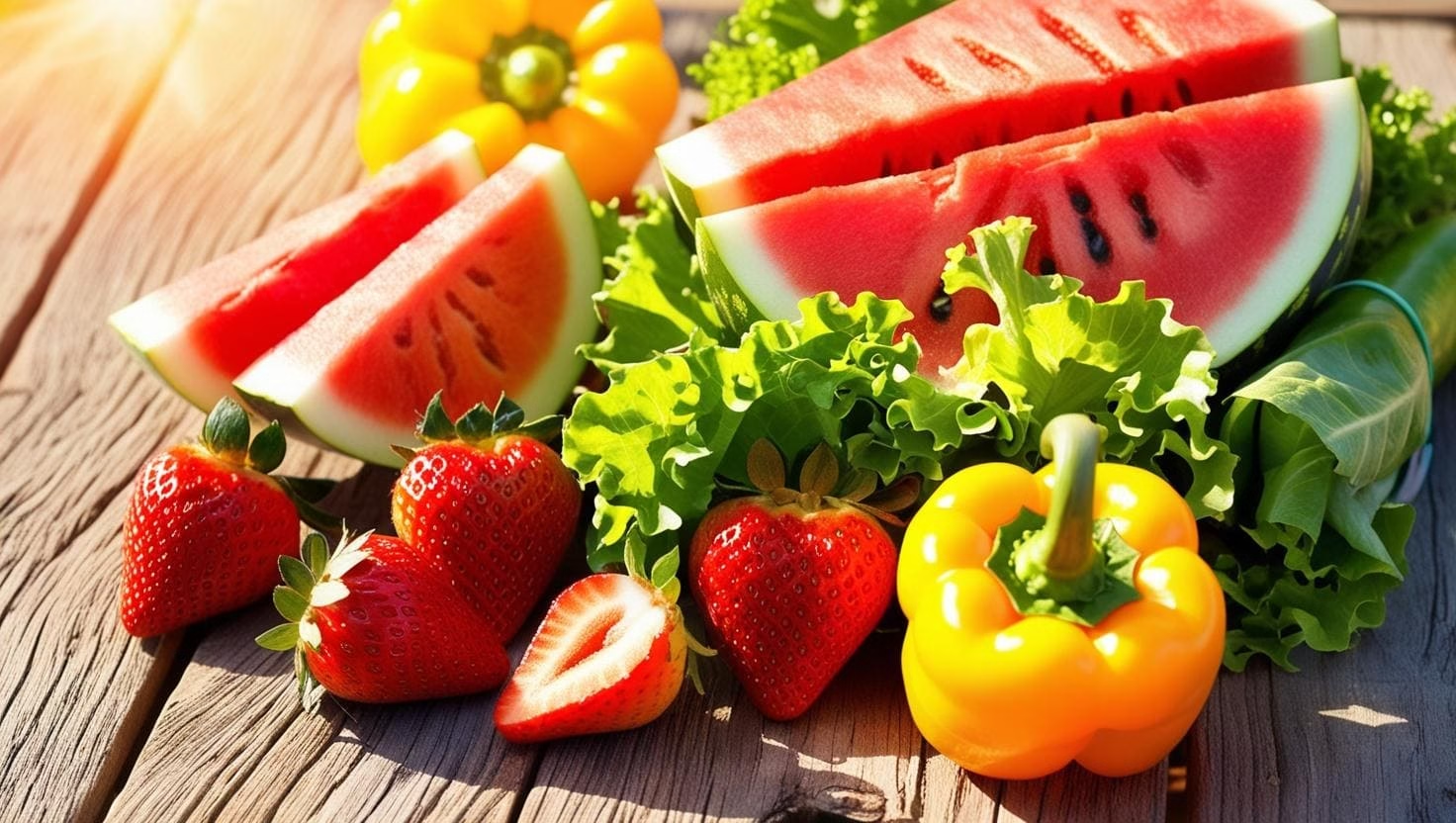
Vitamin C: Found in fruits like oranges and strawberries, it aids in the absorption of iron and supports immunological function.
Comparing Store-Bought and Homemade Baby Food
There are advantages to both store-bought and homemade infant food. Parents can keep ingredients under control and steer clear of preservatives by making their own baby food. On the other hand, store-bought products adhere to stringent safety regulations and are both convenient and nutritionally balanced. Seek out goods with few ingredients and no extra salt or sugar.
Presenting Allergens
Allergenic foods such as fish, eggs, and peanuts should be introduced gradually, and it’s usually advised to begin after speaking with a pediatrician. According to studies, introducing certain foods at a young age may help lower the chance of developing allergies.
Tips for Safe Food Use for Babies
To avoid choking, always make sure the meal is sufficiently soft.
Properly store homemade baby food in the refrigerator or freezer in airtight containers.
Don’t season baby food with honey, sugar, or salt.