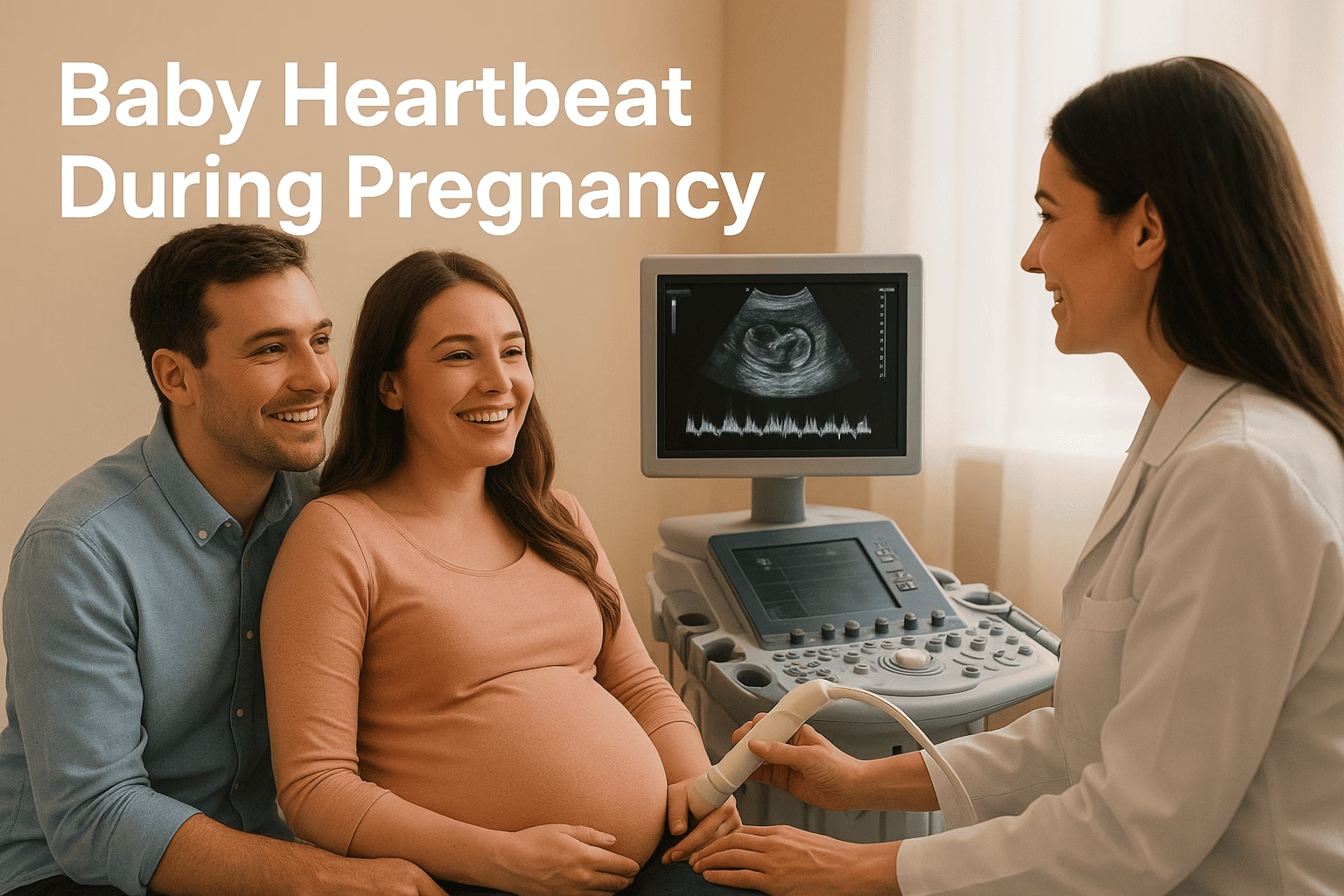
Baby Heartbeat During Pregnancy: Complete Guide for Expecting Parents
For many expecting parents, hearing the baby heartbeat during pregnancy for the first time is a magical moment. That steady rhythm is more than just a sound — it’s a sign of life, growth, and healthy development.
In this complete guide, we’ll explain when your baby’s heart starts beating, how doctors detect it, what a normal heartbeat sounds like, and what to do if it’s not detected early.
The baby’s heart begins forming very early in pregnancy — usually in the third week after conception. By 5–6 weeks of pregnancy, the heart starts beating.
At this stage, the heart is just a tiny tube that slowly folds and develops chambers. The heartbeat looks like a flicker on the ultrasound screen rather than a distinct “lub-dub” sound.
Key points:
Week 3–4: Heart structure begins forming.
Week 5–6: Heartbeat starts, visible via ultrasound.
Week 7–8: Heart develops stronger contractions and a more regular rhythm.
2. How Early Can You Hear the Baby Heartbeat During Pregnancy?
Hearing the heartbeat depends on the gestational age and the equipment used.
6–8 weeks: A transvaginal ultrasound can detect the heartbeat early.
9–12 weeks: A Doppler fetal monitor can usually pick up the heartbeat through the abdomen.
After 12 weeks: Most parents can hear it easily at prenatal visits.
Note: Home Doppler devices are available, but they should be used cautiously and not as a replacement for medical check-ups.
3.What Is the Normal Baby Heartbeat Range?
A baby’s heart rate changes as the pregnancy progresses:
Pregnancy Stage
Normal Heart Rate (BPM)
6–7 weeks
90–110 BPM
8–10 weeks
140–170 BPM
10+ weeks onward
110–160 BPM
Why it changes: Early in pregnancy, the baby’s heart speeds up as it develops, reaching a peak around week 9–10. After that, it gradually slows to a steady rhythm.
4. Why Is the Baby Heartbeat Important?
The baby heartbeat during pregnancy is a strong sign that the pregnancy is progressing normally. Doctors use it to:
Confirm the baby is alive and developing.
Track growth and detect potential problems early.
Estimate the pregnancy’s gestational age.
A strong and regular heartbeat is one of the best indicators of a healthy pregnancy.
5. What If the Baby Heartbeat Isn’t Detected Early?
Not hearing a heartbeat early in pregnancy doesn’t always mean there’s a problem. Reasons include:
Misjudged gestational age — Ovulation may have occurred later than expected.
Baby’s position — It may be hiding behind the uterus or placenta.
Equipment sensitivity — Some devices need more fetal development to detect sound.
Next steps: Your doctor may schedule another ultrasound after a week or two to confirm. In most cases, a heartbeat appears later without complications.
6. Tips for Expecting Parents
Attend all prenatal appointments to track your baby’s heartbeat.
Ask your doctor to let you listen during visits — it’s an emotional bonding moment.
Don’t panic if you can’t hear it early; wait for the follow-up scan.
Focus on overall health — eat well, stay hydrated, and manage stress.
7. FAQs About Baby Heartbeat During Pregnancy
Q1: Can you tell the baby’s gender from the heartbeat? No — the heart rate doesn’t reliably indicate gender, despite popular myths.
Q2: Is a fast heartbeat always normal? In early pregnancy, a faster heartbeat is common. Only extremely high or low rates may require further evaluation.
Q3: Can stress affect the baby’s heartbeat? Short-term stress usually doesn’t affect the heartbeat, but chronic stress can impact overall pregnancy health.
Finally,
The baby heartbeat during pregnancy is more than just a sound — it’s a vital sign of life and growth. Knowing when it starts, how it’s monitored, and what’s considered normal will help you feel informed and reassured throughout your pregnancy journey.